Introduction: The Man Behind the Fame
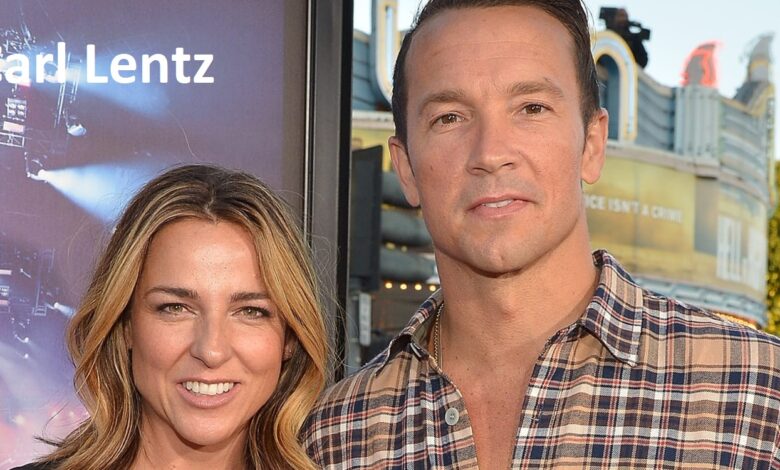
Carl Lentz was once the face of a new generation of Christian leadership — stylish, outspoken, and deeply connected to celebrity culture. Known for his designer clothes, tattoos, and down-to-earth sermons, Lentz managed to make faith look fresh and modern. As the lead pastor of Hillsong Church in New York City, he became a cultural icon for both believers and skeptics alike. He wasn’t your typical preacher; instead, he blurred the lines between pastor, influencer, and celebrity friend.
But with fame comes scrutiny. Over time, the once-beloved spiritual leader found himself caught in controversy, ultimately leading to a dramatic fall from grace. Yet, the story of Carl Lentz doesn’t end there. His journey — marked by charisma, mistakes, and a quest for redemption — reveals much about modern faith, leadership, and human imperfection.
To understand Carl Lentz’s complex narrative, we need to explore not just his rise in the world of contemporary Christianity, but also the factors that led to his downfall and the path he’s taken since.
The Rise of a Modern Pastor
:max_bytes(150000):strip_icc():focal(999x0:1001x2)/hillsong-6-8e18a102b339400387c8a7ca95c119c0.jpg)
Carl Lentz story begins far from the glamour of New York City. Born in Virginia Beach in 1978, Lentz grew up in a Christian home and eventually attended Hillsong International Leadership College in Sydney, Australia. It was there that he met Joel Houston — the son of Hillsong Church founder Brian Houston — and the two developed a friendship that would later shape the direction of Lentz’s ministry.
After years of training and building experience, Lentz returned to the United States with a mission: to bring the Hillsong movement to New York City. In 2010, Hillsong NYC officially launched, and under Lentz’s leadership, it quickly became one of the most recognizable church plants in the country. His preaching style was raw, emotional, and conversational — a refreshing change from traditional sermons.
Lentz’s ability to connect with people from all walks of life made him a magnet for young professionals, artists, and even celebrities. He spoke about faith in a way that resonated with a generation craving authenticity. Soon, he was baptizing pop stars like Justin Bieber, counseling athletes, and appearing on major talk shows. Hillsong NYC was no longer just a church — it was a movement, and Carl Lentz was its face.
The Celebrity Pastor Phenomenon
Carl Lentz’s popularity introduced a new archetype: the “celebrity pastor.” His image — stylish and media-savvy — symbolized a new kind of Christianity that felt culturally relevant. Gone were the suits and ties; in their place stood leather jackets, sneakers, and Instagram posts that blurred the line between ministry and lifestyle branding.
This modern approach helped Lentz reach people who might have otherwise rejected organized religion. His ability to mix biblical truth with relatable humor made his messages accessible to those disillusioned by traditional church culture. His friendship with celebrities like Justin Bieber and Kevin Durant gave him an aura of coolness that few pastors could match.
However, the same fame that propelled Lentz into the spotlight also made him a target for criticism. Some argued that he was turning faith into entertainment, focusing too much on aesthetics and popularity. Others questioned whether the culture around celebrity pastors had made spiritual leaders more susceptible to pride and temptation. In hindsight, these criticisms foreshadowed the storm that was about to unfold.
The Fall: Scandal and Consequences
In November 2020, Hillsong Church announced that Carl Lentz had been fired due to “leadership issues and breaches of trust.” The revelation shocked many, as the once-charismatic pastor admitted to being unfaithful to his wife, Laura. For a man who had preached integrity and grace, the confession was both devastating and humbling.
The scandal didn’t just end Lentz’s career at Hillsong; it ignited a broader discussion about accountability and transparency within megachurches. Many began to question how much power and influence were concentrated in the hands of charismatic leaders like Lentz. The media coverage was relentless, dissecting every detail of his personal and professional life.
Lentz himself went silent for a while, retreating from public life to focus on healing and rebuilding his family. His fall from grace served as a cautionary tale about the dangers of fame and the human side of spiritual leadership. While his actions were undeniably wrong, his willingness to admit his mistakes and seek redemption later became a defining part of his ongoing journey.
Life After Hillsong: Redemption and Reflection
After leaving Hillsong, Carl Lentz faced one of the toughest seasons of his life. He and his family relocated to Florida, where he began therapy and sought to rebuild the trust he had lost. The public eye remained fixed on him, but over time, the narrative began to shift — from condemnation to curiosity about his personal growth.
In 2023, Lentz made headlines again when he appeared in a docuseries exploring his time at Hillsong and his subsequent downfall. Unlike his earlier appearances, this time he wasn’t the confident preacher commanding a crowd. He was humble, reflective, and visibly changed. He spoke candidly about his mistakes and the emotional toll they had taken on his marriage and mental health.
His honesty resonated with many who saw in him a portrait of human fragility — a reminder that even those who preach grace are in need of it themselves. Lentz’s story became less about scandal and more about transformation. Though he may never regain the platform he once had, his willingness to confront his past has earned him a measure of respect, even among former critics.
The Broader Lesson: Faith, Leadership, and Humanity
Carl Lentz’s story raises important questions about faith and leadership in the modern world. When charisma and visibility become central to ministry, it’s easy for the core message — humility, service, and grace — to take a back seat. The culture of celebrity around churches like Hillsong highlights both the power and the peril of trying to make religion “relevant.”
At its heart, the Lentz saga is about the tension between public image and private reality. It reminds us that leaders, no matter how gifted or admired, are still human. Fame amplifies both virtues and flaws, and without accountability, even the strongest can fall.
But there’s also hope in this story. Carl Lentz’s journey shows that failure doesn’t have to be the end. Redemption, though difficult, is possible. His willingness to own his mistakes and rebuild his life outside of fame reflects a more mature, grounded understanding of faith — one that values honesty over perfection.
Conclusion: The Legacy of Carl Lentz
Carl Lentz’s legacy is complex — part cautionary tale, part story of renewal. He changed how many people viewed church, blending pop culture with spirituality in a way that reached millions. His charisma and relatability drew people to faith who might never have stepped into a church otherwise. Yet, his fall also exposed the dangers of unchecked fame and the fragility of personal integrity.
Today, Carl Lentz stands not as the untouchable celebrity pastor he once was, but as a flawed, reflective man seeking redemption. His story serves as a mirror for anyone who has stumbled — proof that failure can lead to growth, and that even in brokenness, there is room for grace.
In the end, Carl Lentz’s journey isn’t just about one man’s mistakes. It’s a reminder that leadership, at its best, isn’t about perfection or power. It’s about authenticity, humility, and the courage to start again — no matter how far one has fallen.